Sunny with a 100% Chance of Learning More
Welcome to the Sunny Hollow resource hub — your go-to place for learning about Montessori education and life at Sunny Hollow. Whether you’re a prospective family exploring what makes Montessori different, or a current family looking to go deeper, you’ll find our blog posts, media coverage, and hand-picked external resources all in one place.
Why Every Detail in a Montessori Classroom Is Intentional
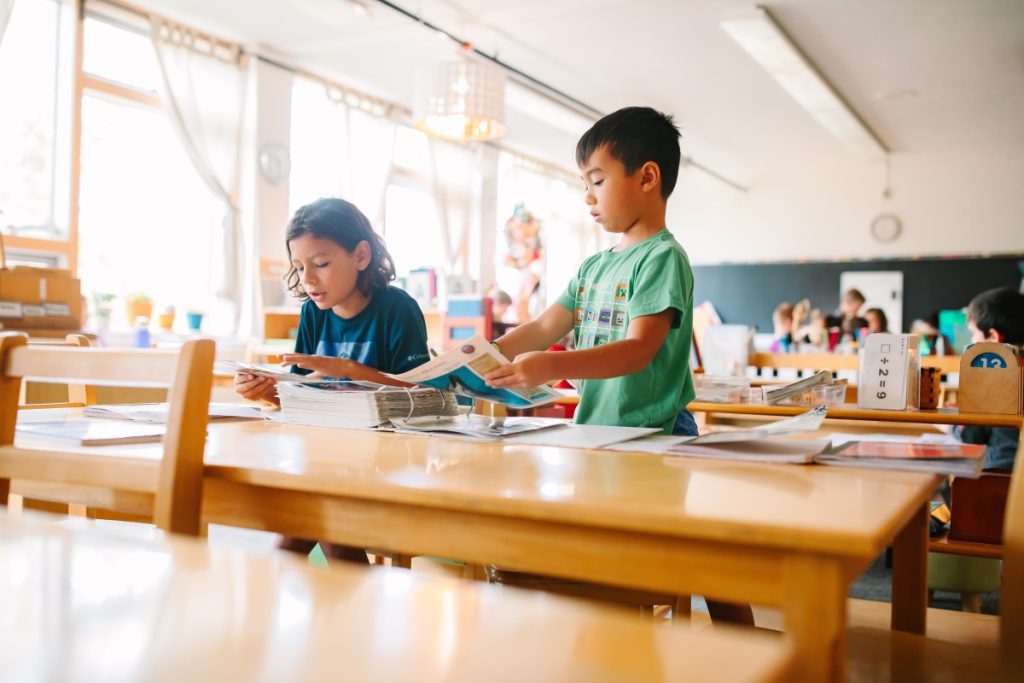
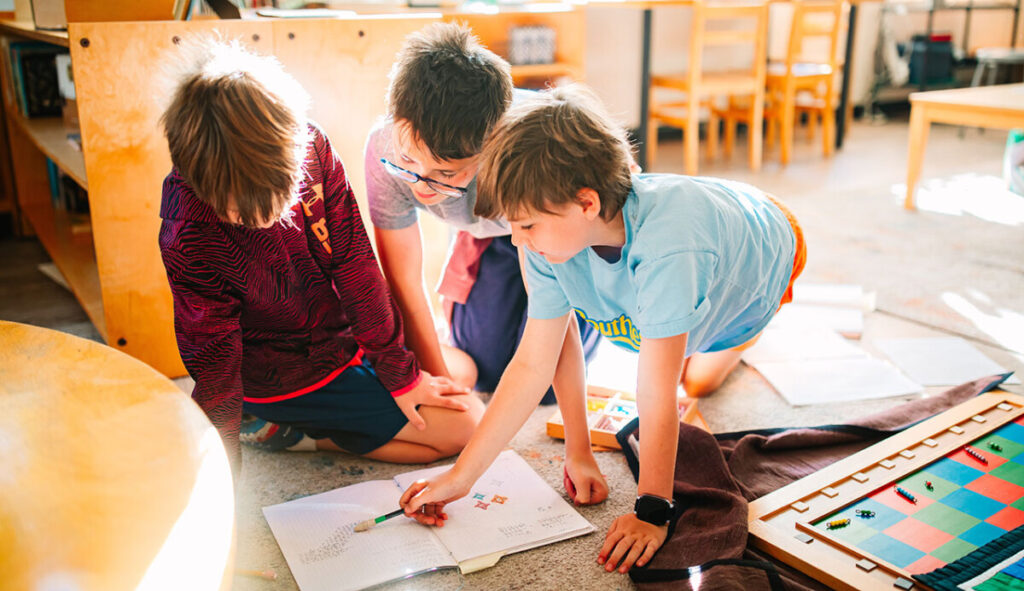
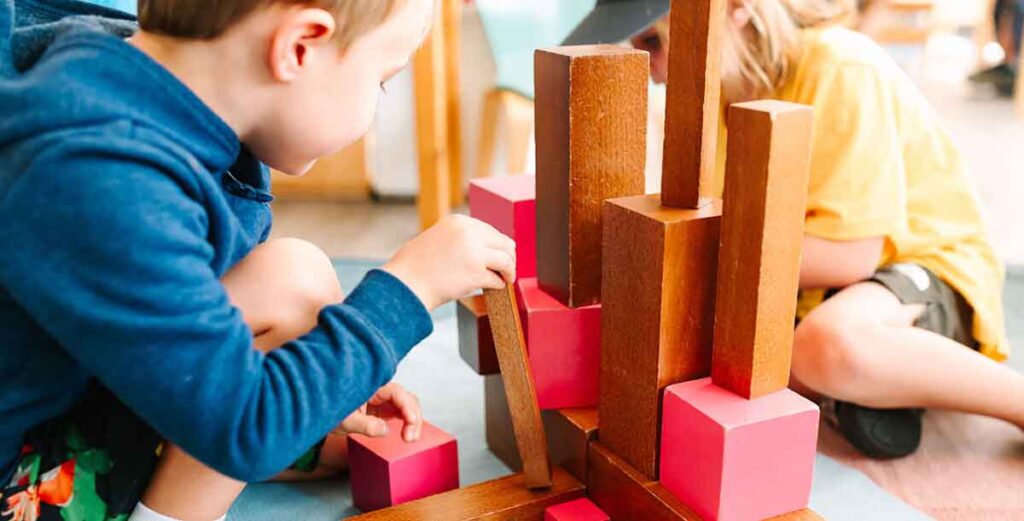
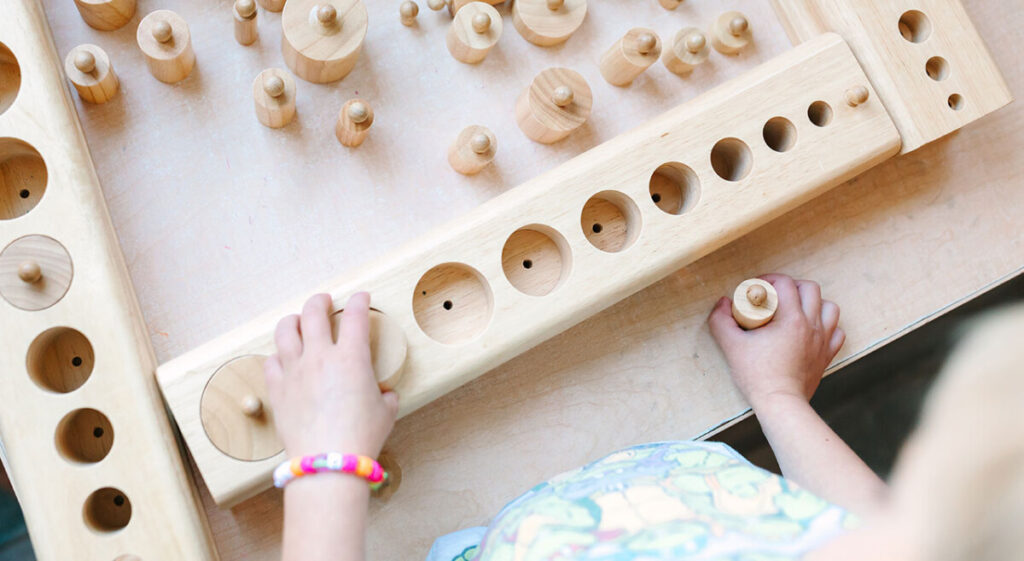
Every Montessori classroom provides a “prepared environment” for students, designed to be safe, calm, and calming, where students practice real autonomy. Every item is curated. Every choice is backed by a reason. The same is true of an authentic Montessori school. Why are classrooms grouped by age? Why is the Kindergarten year called the Leader Year? Why do we use “guides” instead of teachers?
You’ll find the answers to these questions and more in the resources below: “In the News” coverage of Sunny Hollow, original posts from our team, and a library of external resources on Montessori education.
Curious to see Sunny Hollow for yourself?
Schedule a Tour
In the News
One of the traits in our Portrait of a Graduate is a deep sense of care for others and the communities we belong to. We create space for our students to embody a social responsibility, to reflect their understanding that our presence within a community matters…that showing up means engaging thoughtfully, even (especially) on hard topics.
That’s why we’re working harder to join the public discourse on topics that matter to us most. We’ll celebrate this big work here.
The Real Question Behind the Screen-Time Debate
Head of School Katie Brewton responds to the Star Tribune’s coverage of parents pushing back on classroom tech — and makes the case for asking a bigger question than “how many screens.”
Read the Letter to the Editor
More Coming Soon
Watch this space
Schedule a Tour
Blog
Our blog is a rich (code for get ready to learn) collection of posts covering the key principles behind the Montessori approach. We’ll dig into the “why” behind what you see in our classrooms.
Topics range from math beads and “control of error” to why we don’t assign homework, how much tech students use (little to none), and how much time we spend outdoors (a LOT).
These four posts are a great place to start. They cover the core Montessori principles and answer fundamental questions, like: What is Montessori really? Why aren’t their desks in the classrooms? Why are the classrooms mixed ages? and If the students can choose what they work on, are the classrooms a free-for-all?
External resources worth reading
According to a 2018 UVA study, Montessori programs are shown to reduce the achievement gap across 3-6 year olds and to engender a growth mindset.
EdWeek digs into the current backlash against tech in classrooms. The article includes this troubling stat: only 29% of educators believe that ed tech actually increases student learning.
Psychology Today reviewed a 2023 study done by The Campbell Collaboration that reported that Montessori students were nearly a year ahead of peer by 6th grade.
This Rasmussen Uni blog explores the pros and cons of a Montessori education. A good read for families considering Montessori for their child.
University of Virginia psychologist Angeline Lillard concludes that free choice, hands-on materials, and no grades line up directly with what psychology says kids need to thrive: autonomy, competence, and connection